SpeedCircuits
SpeedCircuits
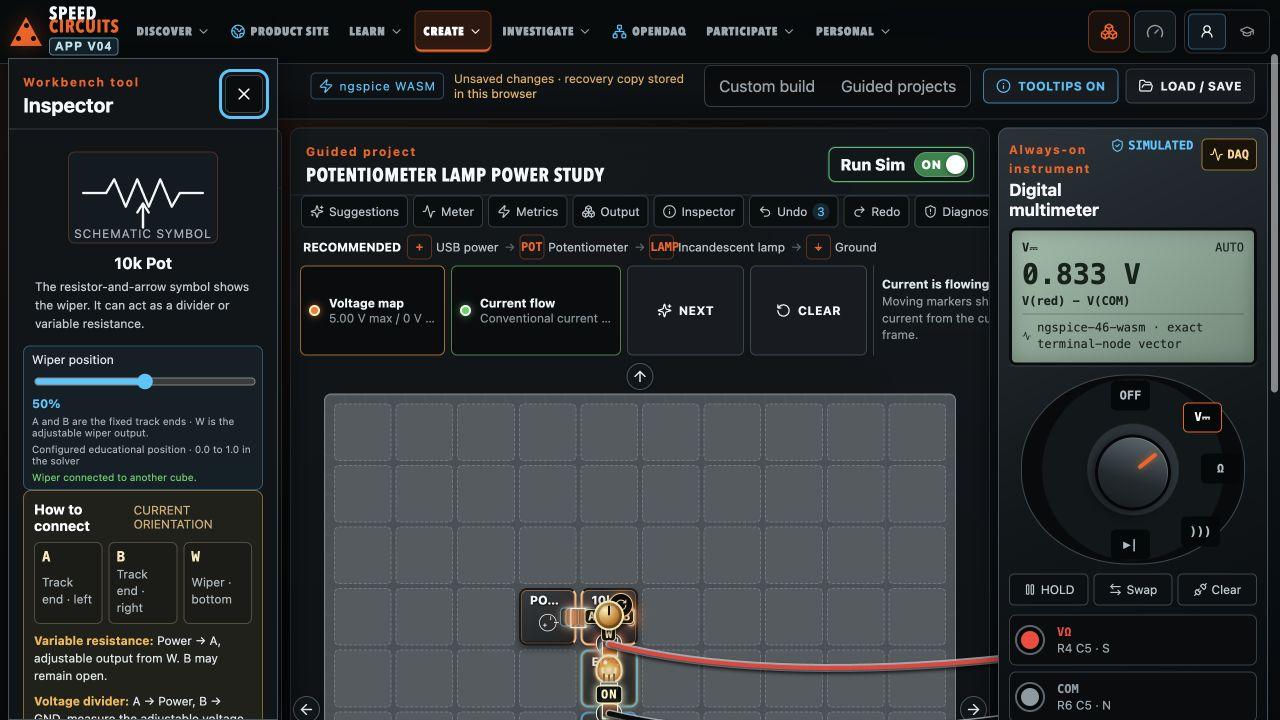
SpeedCircuitsis a physical-first electronics learning system that connects a manufactured magnetic circuit kit with an interactive 3D application, circuit simulation, measurement and project-based STEM learning.
Why it exists
Electronics is often split into disconnected activities: build a circuit, simulate a schematic, measure a signal, then study the theory somewhere else. SpeedCircuits is designed to keep those layers together so learners can compare what a model predicts with what a physical system actually does.
What the project includes
- interactive 3D circuit construction on a 10×10 workspace;
- ngspice-based circuit simulation;
- terminal-level DMM and multi-channelDAQworkflows;
- versioned projects, import/export and recovery;
- learning, classroom and teacher-oriented workspaces;
- optionalArduino UNO Qintegration;
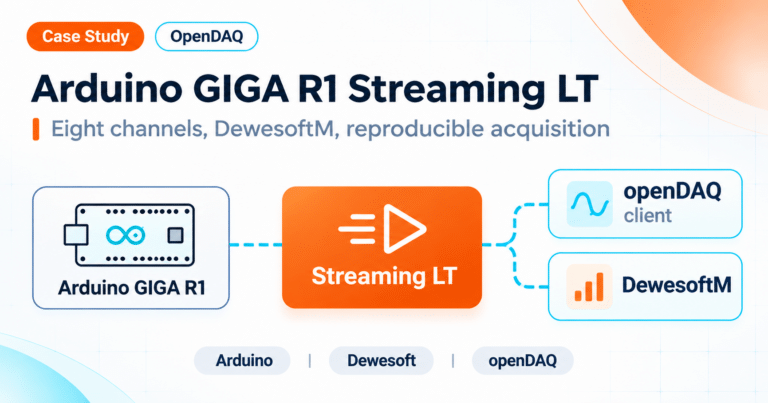
- optional EFBus andopenDAQmeasurement paths;
- experimental vision and digital-twin extensions behind explicit gates.
November 2026: SpeedCircuits 0.5.0 software preview
The current repository publication contract reportsSpeedCircuits 0.5.0, expanding the engineering workflow beyond the historical 0.4.1 announcement. The 10×10 3D circuit workspace now includes guided browser-local electronic experiments, with ngspice 47 WebAssembly as the simulation engine.
- Guided analysis:bounded RC/Bode studies and resistive-divider transfer-function and noise analysis, preserving signal reference, units and exportable evidence.
- Parameter exploration:deterministic resistance/capacitance sweeps, tolerance-corner studies, and comparable local reports.
- Mobile browser authoring:grid-first controls for moving, rotating and editing circuits. Physical phone/tablet touch acceptance remains a separate qualification.
- Audio Lab:a software-qualified browser PCM/WAV-to-PWL-to-ngspice processing path; electrical values and playback normalization remain distinct.
Qualification:these are software simulation results, not a claim of validated physical hardware, direct sensor measurement or universal openDAQ/Dewesoftinteroperability.
Explore SpeedCircuits Laband theguided SpeedCircuits course.
Current public status
The current repository is an active software preview. The application and its verified software paths are not the same thing as complete physical-product qualification. Hardware, measurement, openDAQ/Dewesoft and advanced controller features keep their own evidence and readiness gates.
SpeedCircuits deliberately distinguishes:
- software that is implemented and testable;
- functionality measured on supported local hardware;
- features that remain experimental, HOLD or awaiting physical qualification.
Model → simulate → measure → compare
SpeedCircuits is one of the clearest examples of the FermiLabs method. A circuit can be represented digitally, simulated, observed through acquisition tools and compared with a physical circuit. Differences become engineering evidence rather than something to hide.
Where to explore
The FermiLabs project page should expose the product story, current capabilities, screenshots/demos, installation entry points, selected experiments and learning material. The technical repository remains authoritative for source, exact release identity and qualification evidence.
Publication contract
This file is the canonical public narrative consumed by FermiLabs.fermilabs/publication.jsonis the machine-readable public project contract andfermilabs/updates.jsonis the public update feed.
A PR that materially changes user-visible capability, supported hardware, installation, release identity, public readiness, documentation entry points or known limitations must update the relevant FermiLabs publication files in the same PR. Significant public changes should also add an item tofermilabs/updates.json.